Roofs Built to Handle Decades of Weather
Roof Installation in Burke for new construction, additions, and full tear-off replacements
Northern Virginia's freeze-thaw cycles and summer storms place constant demands on residential roofing systems, requiring materials and installation techniques that account for ice dam formation, wind-driven rain, and temperature swings that exceed forty degrees within a single week. Gold Anchor Exteriors handles roof installations across Burke with attention to substrate integrity and underlayment layering that directly affects whether your roof sheds water correctly or allows moisture to reach the decking. Homeowners replacing aging roofs or adding new structures need installation methods that address both visible shingle performance and the hidden barrier systems that determine how long the assembly actually lasts.
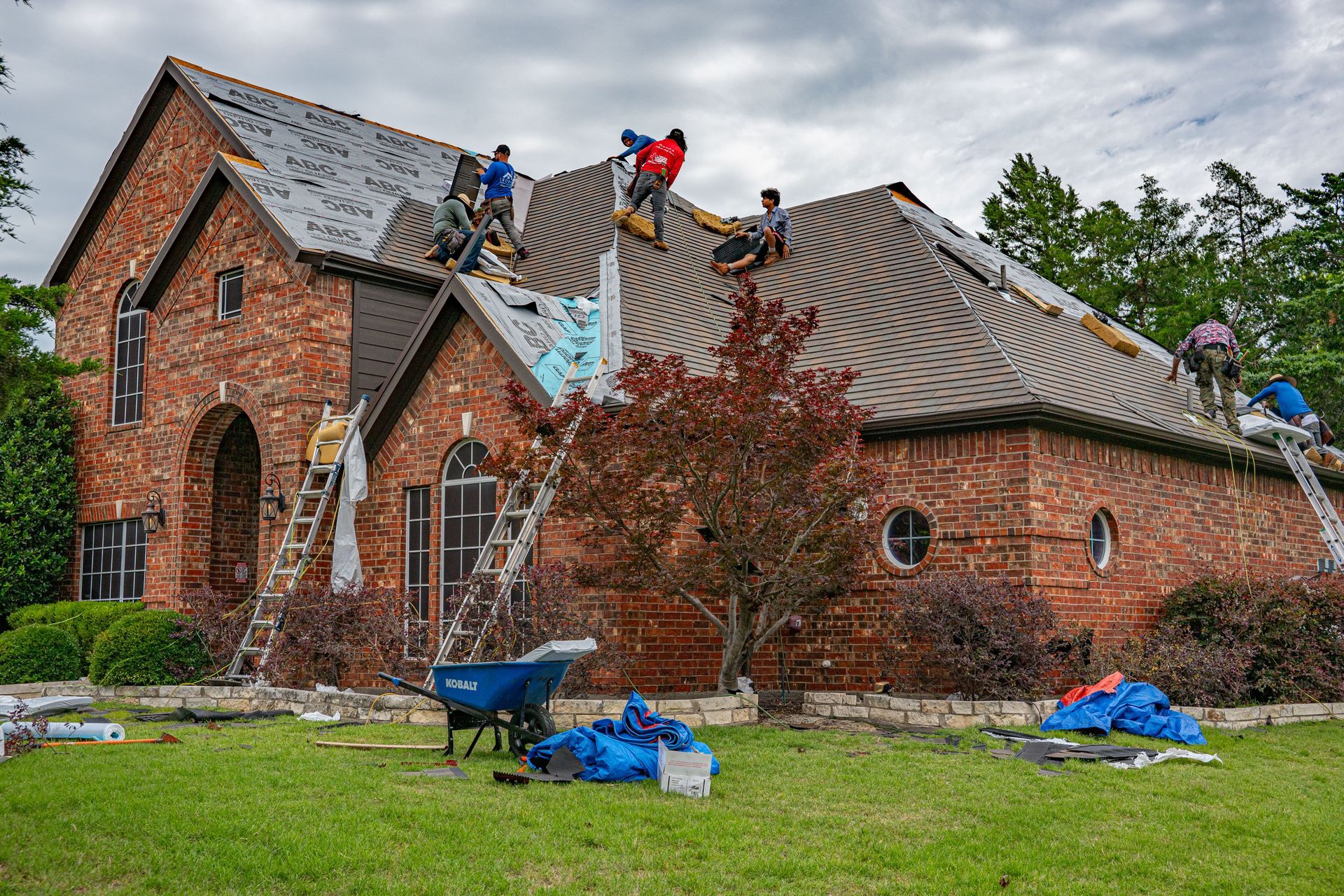
Full roof installation involves removing existing materials down to the decking, inspecting and repairing any compromised substrate, applying high-grade underlayment with ice and water shield at vulnerable transition points, and installing shingles to manufacturer specifications that govern fastener placement and exposure rates. Material options include architectural asphalt shingles with layered construction for dimensional appearance, three-tab asphalt for straightforward protection, metal roofing that sheds snow and resists impact, and synthetic slate or tile that replicates traditional profiles without the weight penalties. The choice affects not only how the roof looks but how it performs during wind events and how long it maintains seal integrity as adhesive strips age.
Schedule a property evaluation to review decking condition and discuss material options suited to your home's exposure.
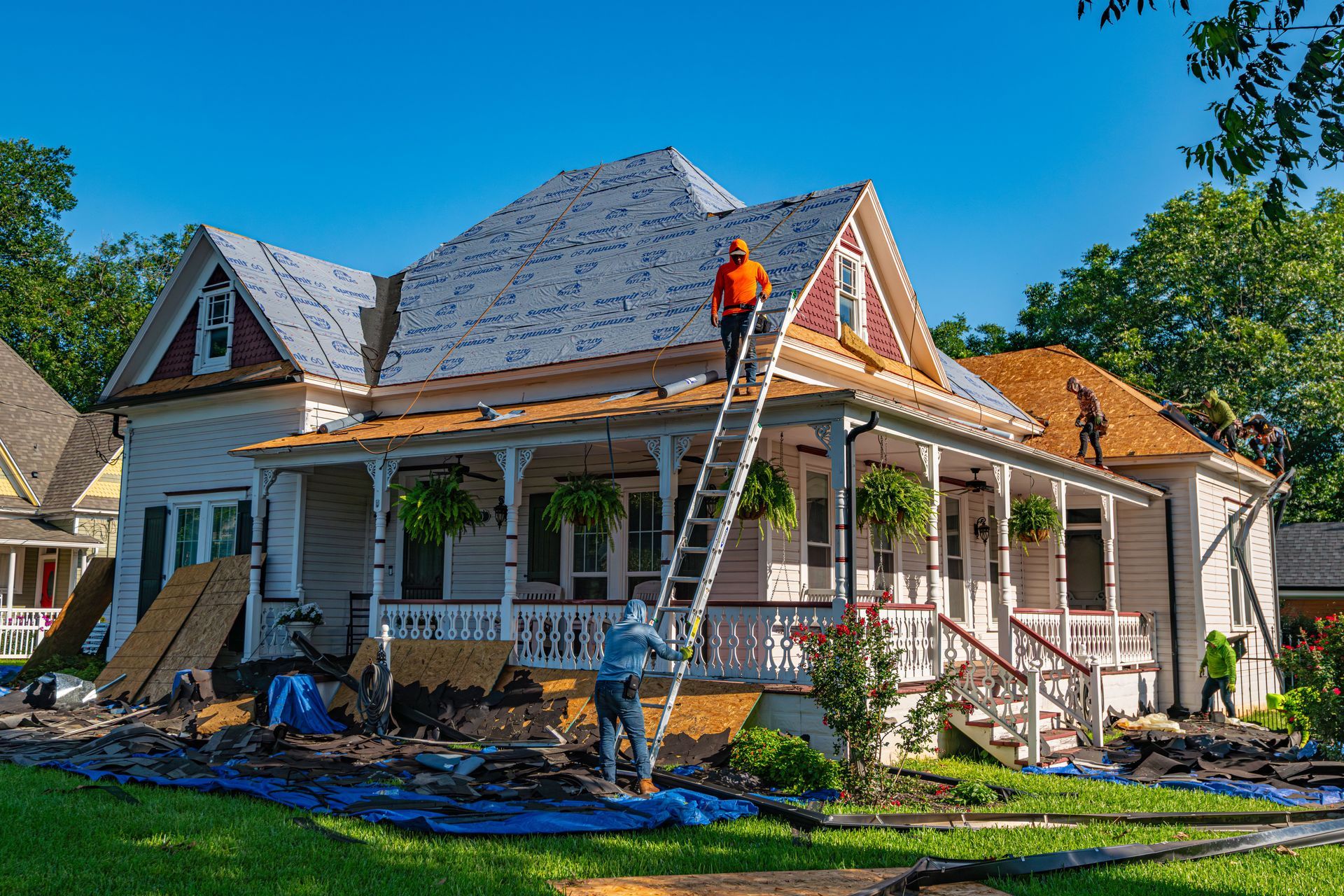
Site protection begins before tear-off, with tarps positioned to catch debris and magnetic sweeps planned for the final cleanup that removes fasteners from driveways and landscaping. Decking inspection happens after old shingles come off, revealing whether plywood or OSB panels need replacement due to rot, delamination, or fastener pullout that compromises the nail base. Underlayment application follows a sequence that places ice and water shield along eaves, valleys, and penetrations before felt or synthetic rolls cover the field, creating overlapping layers that channel moisture downward even if wind lifts a shingle edge.
Once installation is complete, you'll notice that shingle lines run straight across the roof plane without wavering, that flashing around chimneys and vents sits flat without gaps, and that ridge caps follow the peak with uniform exposure. Gold Anchor Exteriors installs to CertainTeed Shingle Master Pro standards, which govern starter strip placement, fastener count per shingle, and the application of high-wind rated products in exposed locations. The difference shows up during the first heavy rain, when water flows cleanly into gutters instead of running behind fascia boards, and during winter, when properly sealed valleys prevent ice from backing up under shingles.
Warranty coverage separates into product protection, which extends up to fifty years depending on material grade, and labor coverage, which Gold Anchor Exteriors provides for fifteen years to address installation defects or fastener failures that occur independent of storm damage. The distinction matters because manufacturer warranties cover shingle deterioration but not errors in application, while labor warranties address issues like improper nailing patterns that allow blow-offs or incorrect flashing details that let water infiltrate at transitions.
Questions Before Starting Your Project
Roof installations in Burke often prompt questions about material selection, timing, and what the process involves from start to final cleanup.
What factors determine whether architectural or three-tab shingles make sense for a specific home?
Architectural shingles provide better wind resistance due to their layered construction and typically carry longer warranties, while three-tab products cost less upfront and work well for simpler roof geometries without complex valleys or dormers where dimensional appearance adds curb appeal.
How does the decking inspection affect the project timeline and cost?
Inspection happens after tear-off exposes the substrate, and while most roofs show isolated soft spots near valleys or chimneys, widespread rot requires plywood replacement that adds material and labor, extending the project by a day or more depending on the affected area.
Why does ice and water shield placement matter in Northern Virginia?
Freeze-thaw cycles cause ice dams at eaves where heat loss melts snow that refreezes at the cold overhang, and without a sealed membrane in that zone, meltwater backs up under shingles and soaks the decking, leading to interior stains and structural rot over repeated winters.
What does the magnetic sweep involve at project completion?
A rolling magnetic tool passes over driveways, walkways, and landscaping to collect loose nails and fastener debris that falls during tear-off and installation, preventing tire punctures and injuries that can occur weeks after the crew leaves if metal remains scattered across the property.
When should homeowners schedule roof installation to avoid weather delays in Burke?
Late spring through early fall offers the most consistent installation windows, as shingle adhesive requires warm temperatures to seal properly and rain interruptions become less frequent, though crews can work through cooler months if forecasts allow for multi-day dry periods during application and initial curing.
Gold Anchor Exteriors provides free estimates that include material options, warranty details, and transparent timelines for roof installations across Burke. Request a consultation to walk through your specific decking condition and discuss whether architectural shingles, metal, or synthetic materials align with your performance and appearance priorities.