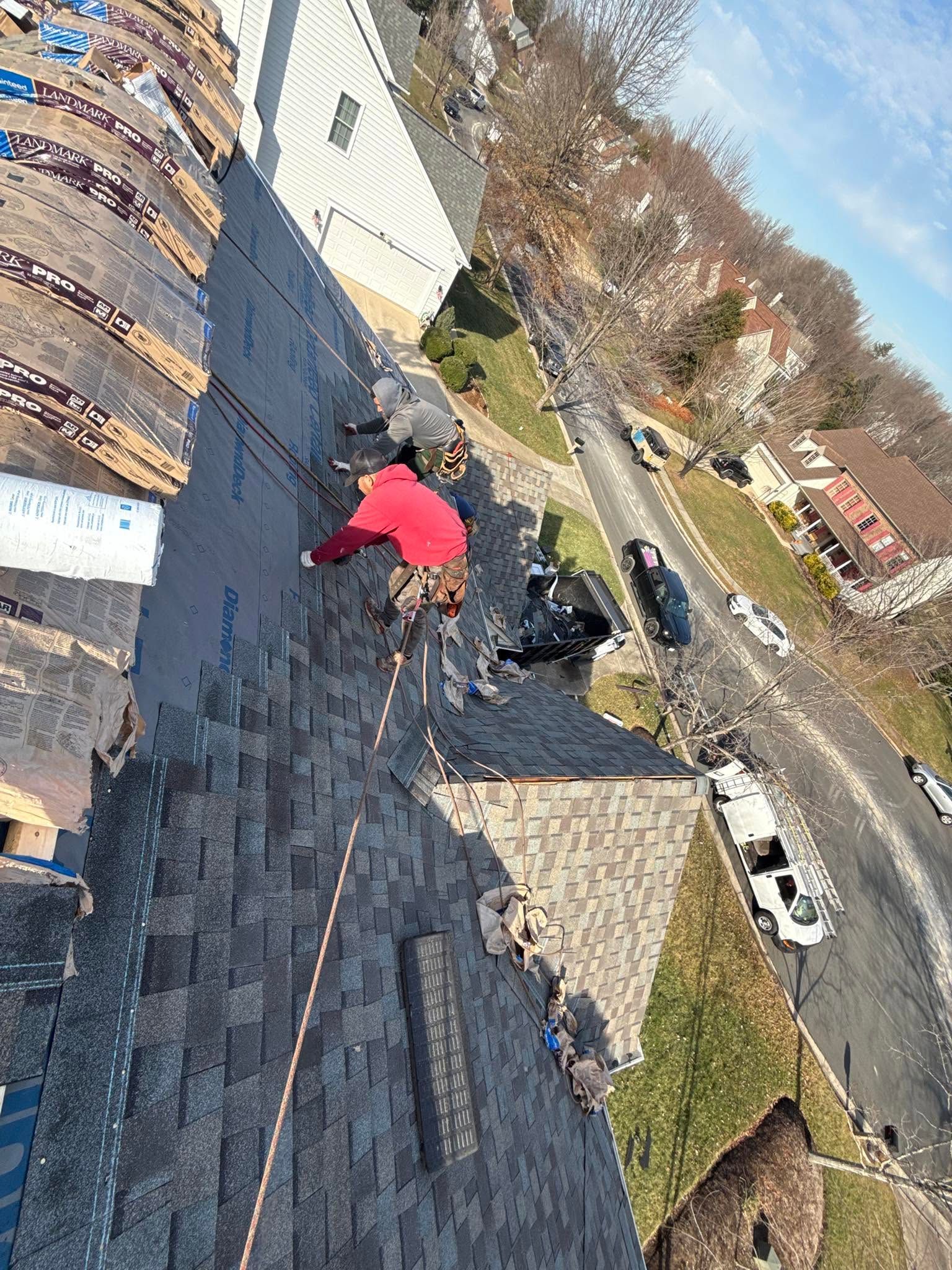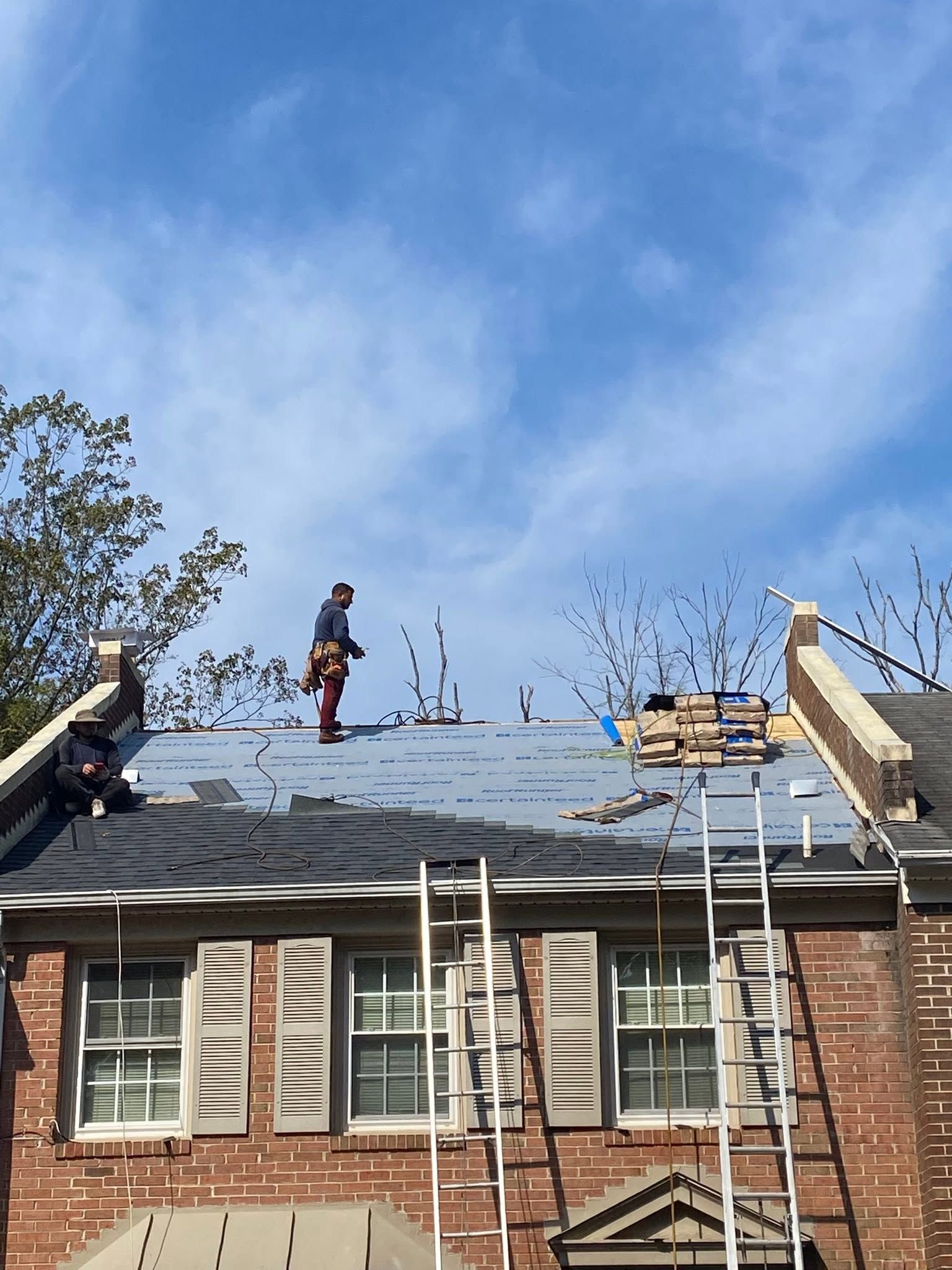
Documentation That Supports Insurance Claims
Storm Damage Inspection in Burke for homeowners verifying hail impact, wind damage, and structural compromise after weather events
Northern Virginia storm history includes frequent hail, high wind events, and ice dams that crack shingles, lift flashing, and force water into attic spaces. Damage that isn't always visible from the ground but affects structural integrity and insurance coverage eligibility. Gold Anchor Exteriors inspects roofs after storm events to document damage severity, separate cosmetic surface marks from functional failures, and provide written reports that support repair planning or insurance claims. For roofing evaluations, our inspection process can include an attic assessment when accessible and appropriate to verify whether water has penetrated underlayment and reached decking.
The process combines a roof surface walkthrough with accessible interior or attic evaluation where appropriate, documenting hail bruising on shingles, wind-torn edges, and flashing separation. Damage is categorized by severity. Cosmetic marks that don't affect function, material failures that allow water infiltration, or structural issues where decking or framing has been compromised. The written report includes damage location, photographic evidence, and repair versus replacement recommendations based on the extent of compromise across the roof surface.
Request a detailed inspection following storm events to document damage before filing insurance claims.
The inspection produces a written damage report with roof surface images and any applicable attic findings, which insurance adjusters use to evaluate coverage and property owners use to compare contractor repair bids. Hail impact points are marked, missing shingles are counted, and flashing condition is assessed at every penetration and valley intersection. Attic moisture levels are noted, and ventilation adequacy is confirmed to rule out condensation as a false positive for storm-related water infiltration.
Once the inspection is complete, you'll have photographic proof of damage location and severity, written confirmation of whether repairs or replacement are warranted, and documentation formatted for insurance submission if storm damage qualifies for coverage. The report clarifies which issues require immediate action to prevent further deterioration and which can be deferred until seasonal conditions improve for safe installation work.
The inspection verifies not just visible shingle damage but underlying structural conditions, including whether decking has absorbed moisture, insulation has been saturated, or framing shows signs of long-term water exposure predating the recent storm. This distinction matters for insurance purposes because pre-existing damage typically isn't covered under storm event claims.
Common Questions About This Service
Storm damage inspections in Burke typically address timing concerns, insurance documentation needs, and the difference between surface-only assessments and structural verification.
What storm damage is most common in Fairfax County?
Wind tears shingles along exposed ridge lines and gable ends, hail cracks sealant layers and bruises granule surfaces, and ice dams during winter thaw-freeze cycles force water under flashing at eaves where backup creates pressure against the shingle bond.
How soon after a storm should I schedule an inspection?
Contact a contractor within days of a hail or wind event to document damage before weather exposure causes additional deterioration, and to meet insurance claim filing deadlines that often require notification within a specific window after the storm date.
When is an attic evaluation useful during a roof inspection?
While surface walkthroughs reveal shingle condition, an attic evaluation (when accessible) can help confirm whether water has breached underlayment and reached decking or insulation. Helping distinguish functional damage from cosmetic surface marks.
What documentation do insurance adjusters require?
Written reports with dated photographs showing damage location, severity classification distinguishing cosmetic from functional failures, and moisture findings provide adjusters with evidence that storm events caused the compromise rather than deferred maintenance or material aging.
How much does a storm damage inspection cost in Burke?
Many contractors provide inspections at no charge when repair or replacement work follows, though standalone inspection fees range based on roof size and attic access complexity, with written reports included for insurance or future contractor bidding purposes.
Gold Anchor Exteriors delivers written inspection findings with photographic documentation formatted for insurance submission or contractor bid comparison. Schedule a storm damage assessment to verify roof condition and document compromise before filing claims or planning repairs.